The story of KaiOS, so far
Our Story
A connected story
We get asked often how KaiOS started, and I realize we have never really written it down in one place. With the launch of this new website, and of our new merchant business line, it feels like the right moment to do that. So this is the story as I have lived it, from the first phones we shipped in the US to where we are today.
01
Where it began
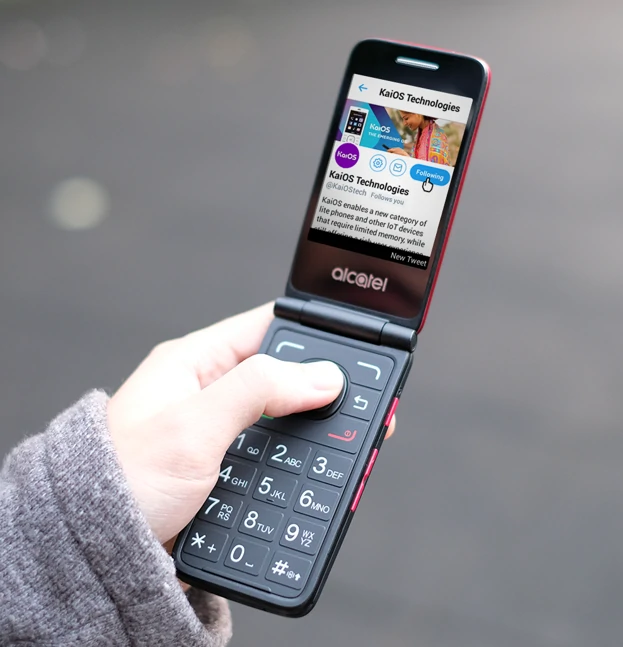
KaiOS started in the United States, at a moment when mobile operators were transitioning their networks from 3G to 4G but still had a large base of customers using flip phones. Those customers were not going to buy a smartphone. Many of them liked their flip phone, or simply could not justify the price of an iPhone or an Android device. But the operators needed a way to move them onto modern networks, and there was no real software option built for that purpose.
That is what we set out to build. Through a close partnership with Qualcomm, we started from Mozilla’s Firefox OS open source project, an operating system that could bring real internet capability, apps and a smartphone like experience to an affordable, simple device. We adapted it, made it compliant with US requirements and took it first to Sprint, AT&T and T Mobile, and convinced them to put it on their shelves. That was back in early 2017.
It worked. After months of development and maturation testing, we received our first US carrier’s approval with our lead manufacturer, TCL. At the time, the OS had no application store and almost no apps. Since then we have gone on to work with every major US mobile network operator, and most flip phones sold in the country today run on KaiOS. That first chapter taught us something we still believe: there is a real and lasting market for phones that are simple to use and easy to afford, as long as they are genuinely connected to the internet.
02
The RFP that changed everything
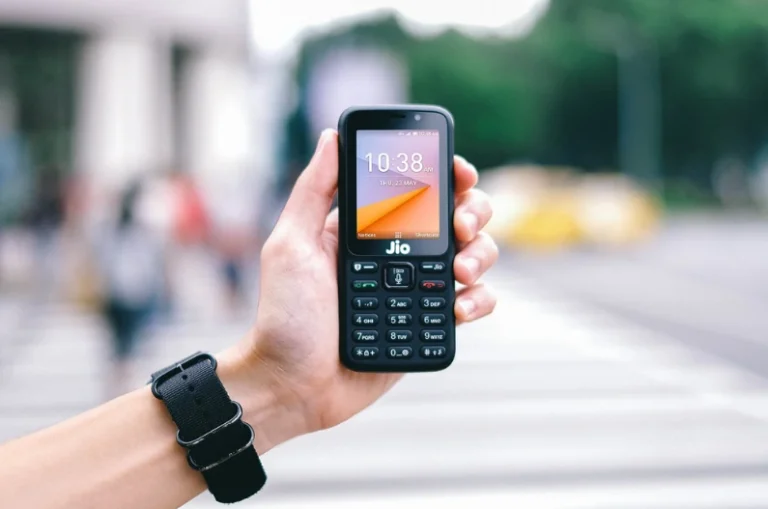
Even before we launched in the US, we entered a request for proposal from Reliance Jio in India. Jio was preparing to launch a network built entirely on 4G across the country and wanted a device that ordinary Indians could actually afford, something that would let people leapfrog straight from 2G feature phones to real mobile internet, without needing the budget for a smartphone.
The opportunity was huge. Back at that time, Jio was a new entrant in the market and the incumbents were still earning most of their revenues from voice calls and SMS. Jio wanted to bring a disruptive offer, give voice and SMS for free, and earn its revenue from data instead. To achieve that, they needed their own services, JioTV, JioCinema and JioSaavn, as well as WhatsApp, Facebook, YouTube and Google Maps running on the OS, and they needed us to complete the development and deployment of KaiStore, the application store on KaiOS.
We won that RFP, and together we built the JioPhone and the associated services and app ecosystem. What followed surprised even us. Within months, tens of millions of JioPhones were in the hands of people who had never had a data connection before. It became one of the fastest phone launches the industry had ever seen, and it made KaiOS, almost overnight, one of the most widely used mobile operating systems in India.
03
Raising the funds to grow with India, and beyond
That growth needed capital and partners who understood where this was heading. Reliance took an early stake in KaiOS, and not long after, Google invested in the company through a Series A round, followed by a Series B round backed by Cathay Capital, Google, ICD, Orange and TCL among others. Those investments let us scale the engineering and support needed to keep up with the pace of India, while also opening the door to bring Google services, and later other partners, onto our platform for the benefit of our users. It also gave us the resources to think beyond India, and to start looking at where else in the world the same need existed.
The answer was not hard to find. Hundreds of millions of people across Africa, South Asia and Latin America were in a very similar position to where India had been before Jio. We built partnerships with MTN and Orange, and rolled out smart feature phones across their footprints on the African continent, while continuing to grow with operators in South Asia and expanding into Latin America.
By this stage, KaiOS had gone from a US project focused on flip phones, to a genuinely global platform used across four continents, all built on the same idea, that mobile internet should be accessible to everyone, not just to people who can afford a smartphone.

04
Rethinking who we are
Then came Covid, and shortly after, the global semiconductor shortage. Like most of our industry, we felt it directly, device production slowed, then stopped, and costs of chipsets rose sharply. But it also gave us time to look more closely at how our users, millions of people across emerging markets, were actually using their phones.
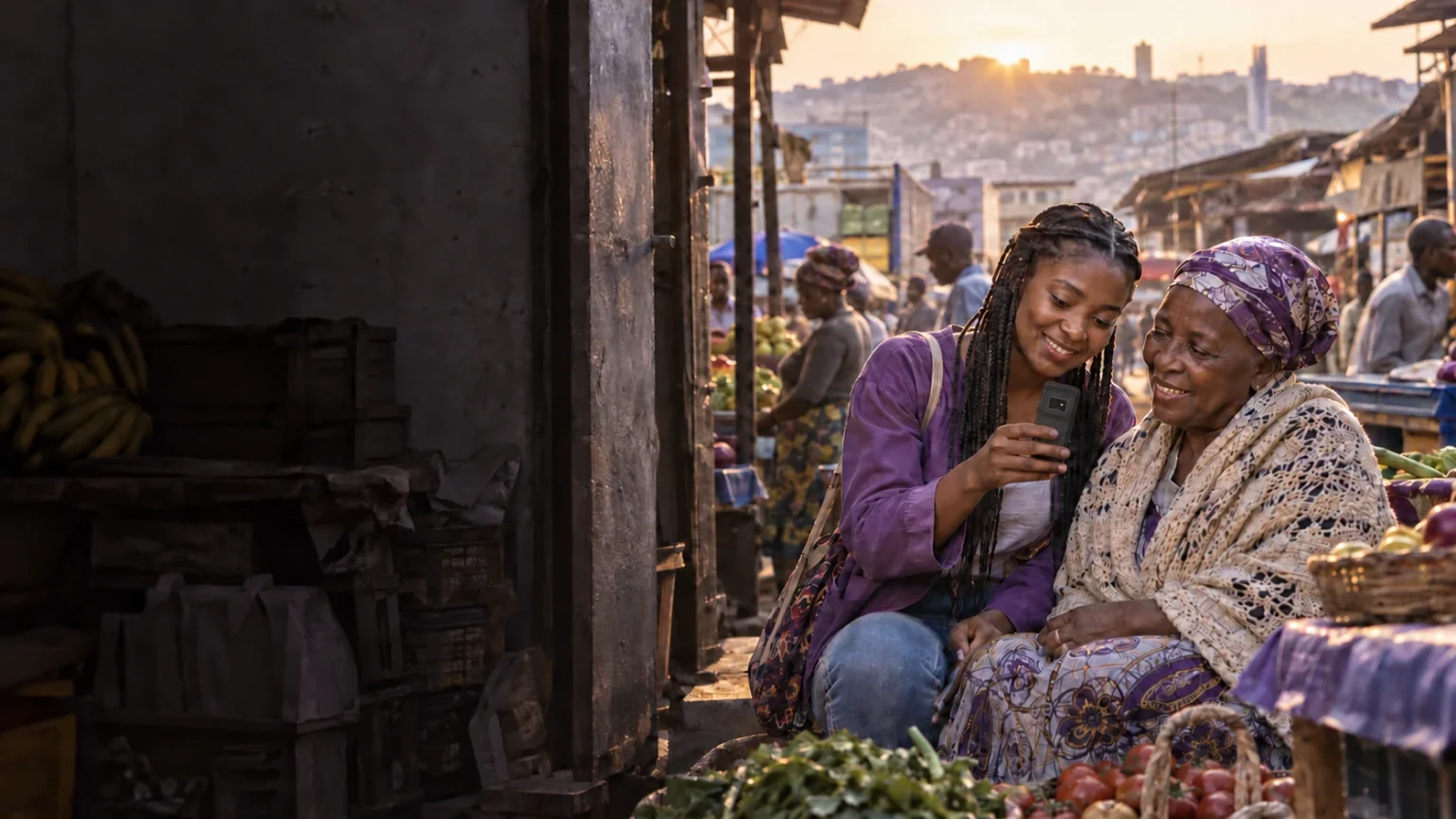
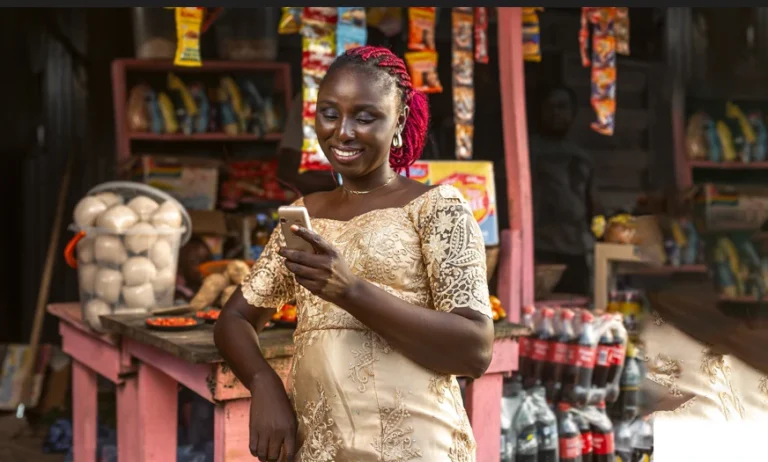
What we noticed was telling. People were not only searching for entertainment or social apps. They were looking for tools to help them run a small or informal business, sell what they grow or make, manage a bit of savings, get paid. Mobile internet, for a large part of our user base, was not primarily a device for consumption. It was becoming a tool for their livelihood.
That observation changed how we think about our own company. We had built KaiOS as a pure consumer business, and it remains that at its core. But we realized we had an opportunity, and honestly a responsibility, to also serve the merchants and small entrepreneurs who make up so much of the economy in the markets where we operate. That is what led us to build our merchant and payments capabilities, and it is a big part of why we are launching this new website today.
05
Where we are now
We are still, first and foremost, a company that believes closing the digital divide matters. That belief has not changed since the day we started with a flip phone in the US. What has changed is our understanding of what people need once they are connected, and our ambition to help them do more with that connection, whether that is watching a video, staying in touch with family, or accepting a payment from a customer.
This new chapter, consumer and merchant together, is where KaiOS is headed next. We are glad to finally have the chance to tell this story properly, and we hope it gives you a better sense of where we come from, and why we are building what we are building.